
The Art of a Balanced Diet: Nourishing Your Body and Soul
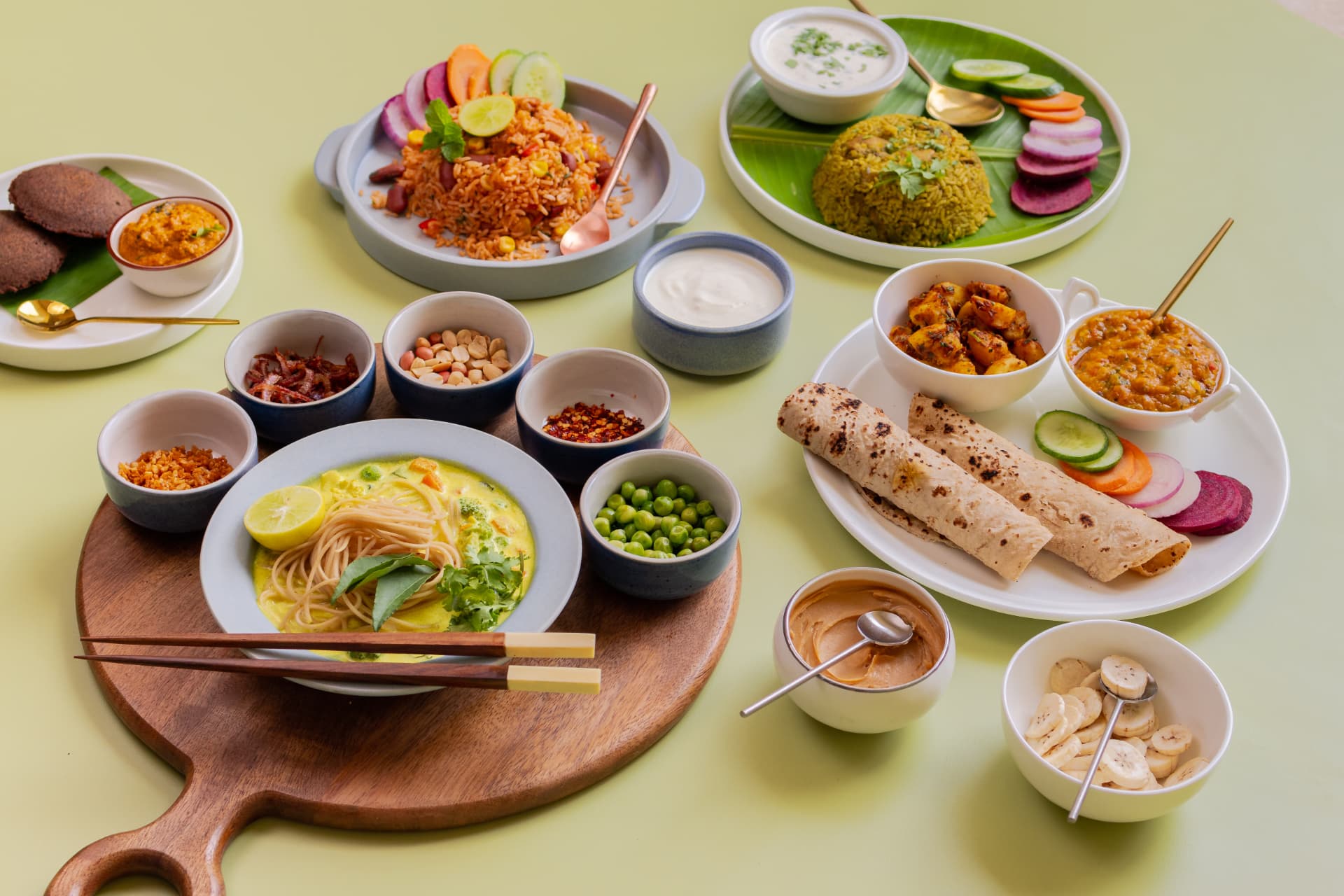
A balanced diet is not a perfect plate repeated every day. It is an eating pattern that brings together different foods, meets your needs and leaves room for preferences, culture and ordinary life.
That can sound complicated when you are juggling work and family. In practice, a few reliable meal habits can be more useful than a long list of foods you feel you must never eat.
Think across the day
One meal does not have to contain every nutrient. Look at what you regularly eat across breakfast, lunch, dinner and snacks. Variety over time matters more than making each plate look identical.
Your needs may differ with age, activity or a health condition. General plate guidance is a starting point, not an individual prescription.
Bring the main food groups into view
Carbohydrate-containing foods such as grains, legumes and fruit contribute energy. Protein foods include dal, beans, tofu, paneer, eggs, fish and meat, depending on your preferences. Fats are also part of ordinary eating, including those from nuts, seeds and suitable cooking oils.
Vegetables and fruit add variety, fibre and micronutrients. The useful question is how these foods fit together, rather than whether one ingredient deserves a “good” or “bad” label.
Use familiar Indian meals
You do not need a new cuisine to build a balanced routine. Dal with roti and vegetables, rice with a bean or protein dish, and a meal including seasonal produce can all be starting points.
Look at the components you usually leave out. Perhaps lunch has a grain but little protein, or dinner rarely includes vegetables. Adding a missing element can be easier than replacing the entire meal.
Make variety practical
Rotate a few breakfasts you enjoy. Keep vegetables and a preferred protein option on the shopping list. Use seasonal fruit when it fits your routine, and experiment with legumes or whole grains you already know how to prepare.
Variety does not require a new recipe every day. A small set of dependable meals can reduce waste and the amount of time spent deciding what to cook.
Consider fluids and supplements individually
Fluid needs vary with climate, activity and health. A universal number of glasses is not a personalised hydration plan. Follow any fluid advice given by your healthcare team.
Supplements are not automatically necessary because a diet is described as balanced. If you are concerned about a deficiency, speak with a qualified professional instead of adding products based on a generic article.
Leave room for enjoyment
Social meals and favourite foods are part of eating. A workable pattern should not depend on guilt or rigid perfection. Notice whether a routine is affordable, enjoyable and possible to maintain.
If food rules cause anxiety or make it difficult to eat enough, seek appropriate support. More restriction is not always an improvement.
Planning help in Bangalore
Mama Health Co.'s Balanced Plates offers familiar meals alongside the other subscription options. You can compare actual dishes, meal preferences and prices before deciding whether prepared meals would help your week.
A subscription can take some cooking off your list. It does not replace an individual nutrition assessment or guarantee a health outcome. The most useful routine is one you can return to consistently.
Further reading
Healthy diet, World Health Organization
Explore our meal plans: Choose your meals
This article provides general information and is not a diagnosis, treatment recommendation or substitute for personalised medical advice.