
10 Keto Diet Tips for Beginners
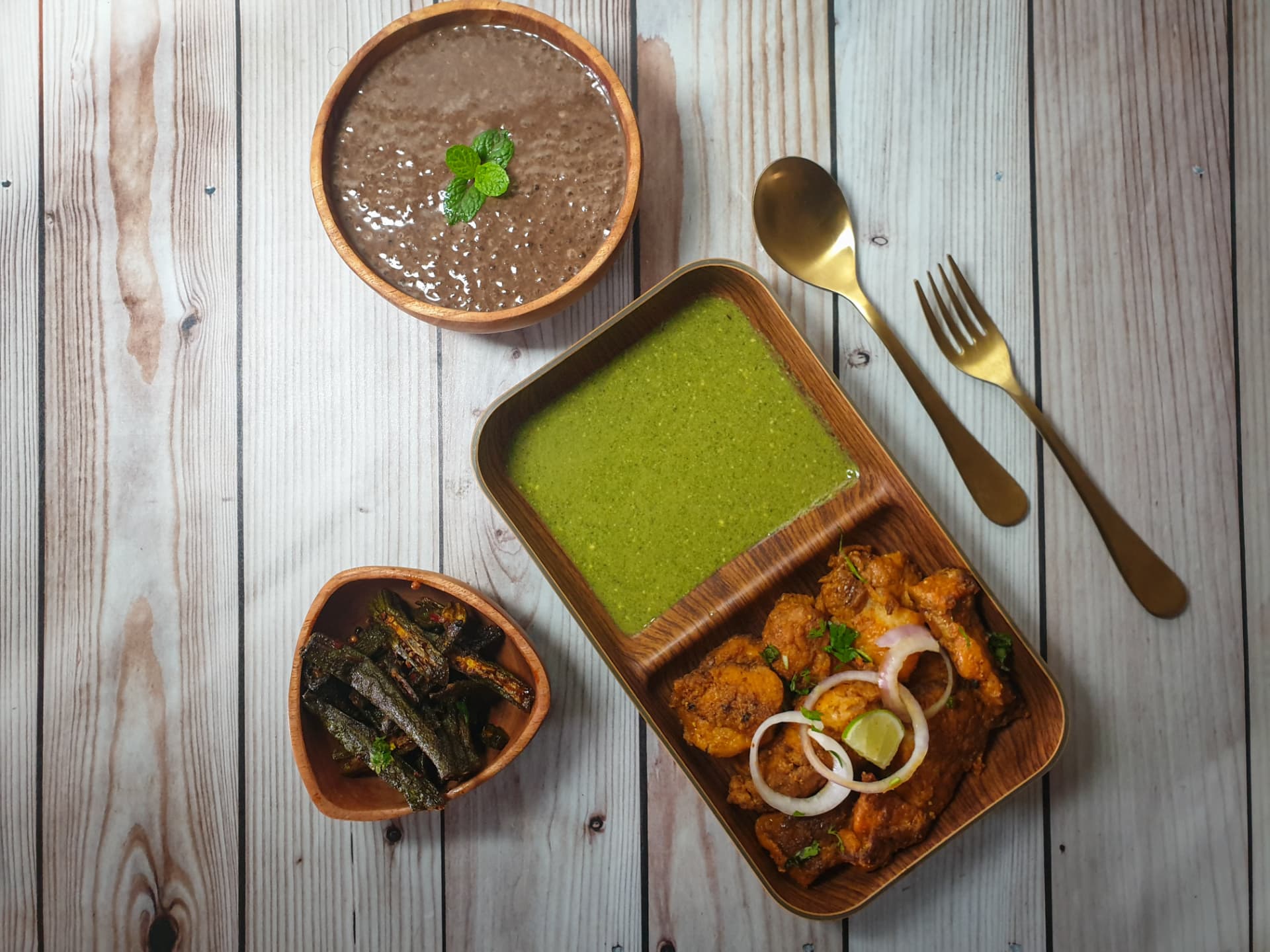
Starting Keto involves more than removing rice or bread. It changes the way you put meals together, and it can affect how your usual routine feels. Before making that change, it helps to understand the food choices, the practical work involved and the questions to ask a qualified professional.
Keto is a very low-carbohydrate eating pattern with a greater share of energy from fat. It is not the right choice for everyone, and a meal subscription is not a medical treatment. These ten starting points focus on planning rather than promising results.
1. Check whether Keto suits you
If you have a health condition, take medication, are pregnant or breastfeeding, or have a history of disordered eating, speak with your clinician before starting. Do not change a prescription to fit a diet. A qualified dietitian can help you compare Keto with less restrictive alternatives.
2. Understand the whole day's food
One low-carbohydrate lunch does not determine the rest of your diet. Breakfast, dinner, drinks, snacks and portion sizes all matter. Ask what a plan includes and what you would still need to arrange yourself.
3. Plan meals before the week starts
Choose realistic meal times around work, commuting and family commitments. Keep a simple shopping list or arrange the meals you struggle to prepare. Planning ahead is more useful than relying on willpower when you are already hungry.
4. Include a protein source
Eggs, fish, chicken, tofu and paneer can feature in low-carbohydrate meals, depending on your preferences and needs. Keto does not mean eating unlimited fat while forgetting protein. An individual protein target should come from a qualified professional, not a generic online calculator.
5. Make room for vegetables
Non-starchy vegetables such as leafy greens, cauliflower and broccoli can add variety and fibre. Think about preparation, sauces and the complete plate rather than treating every vegetable as interchangeable.
6. Look beyond the Keto label
A packaged product marked Keto is not automatically nutritious or suitable for you. Read the ingredients, serving size and nutrition information. Sweeteners, sauces and snacks can still contribute to the day's intake.
7. Do not self-prescribe electrolytes
Do not add large quantities of salt or start potassium or magnesium supplements because an online diet guide suggests it. Fluid and electrolyte needs vary, especially with health conditions or medication. Seek advice if you feel unwell instead of assuming symptoms are simply part of starting Keto.
8. Keep movement manageable
Choose activity you can sustain and discuss major training changes with your coach or clinician. Exercise is not a punishment for eating carbohydrates. If your eating pattern is affecting your ability to train or function normally, reassess it.
9. Protect time for sleep and rest
A workable food routine should sit alongside rest, not replace it. Prepare for busy evenings so that cooking, ordering or tracking food does not repeatedly keep you awake. No diet can make up for every other part of daily life.
10. Review how the routine fits
Notice practical things: whether you enjoy the food, can afford it, have digestive discomfort or find the restrictions difficult. You do not have to stay with Keto to prove commitment. A different eating pattern may suit you better.
Choosing meals in Bangalore
Mama Health Co. offers Keto alongside Protein+, Balanced Plates and Fresh+. Compare the sample dishes and price per meal, and ask the team about preferences and delivery before requesting a plan. The useful starting point is a routine you understand, not a promise of rapid change.
Explore our meal plans: Choose your meals
This article provides general information and is not a diagnosis, treatment recommendation or substitute for personalised medical advice.