Keto and PCOS: What to Know Before Changing Your Diet
If you are living with polycystic ovary syndrome, or PCOS, it is understandable to look for food choices that might help. Online searches often produce promises about curing the condition with Keto. Those promises go further than a meal plan can support.
PCOS is a complex hormonal condition. A diet should not be presented as a cure, and no meal subscription replaces assessment, treatment or follow-up with your healthcare team.
Why nutrition comes up in PCOS conversations
Food, activity and other lifestyle factors may be discussed as part of PCOS care. The advice should take account of the person's symptoms, preferences, medical history and goals. People with PCOS do not all have the same body size or the same experience.
It is not appropriate to assume that everyone has identical blood-test results or needs the same carbohydrate restriction. A qualified professional can help you make sense of your own situation.
Does everyone with PCOS need Keto?
No. Keto is a very low-carbohydrate eating pattern, and it is not the only way to arrange meals. The 2023 international PCOS guideline does not identify one dietary composition as superior for all PCOS outcomes. A sustainable approach matched to individual needs is important.
A diet that you find difficult to afford, tolerate or maintain may not be a useful long-term choice. Restriction is not proof that a plan is more effective.
What the research does not promise
Interest in low-carbohydrate diets does not establish that Keto will restore periods, improve fertility, clear acne or produce a particular amount of weight loss for every person. Small or short studies cannot answer every question about long-term outcomes and safety.
Personal accounts can also leave out other changes, such as medication or professional support. They should not be used as a reason to stop treatment or delay a fertility assessment.
Build a routine around your actual needs
A practical food conversation can cover regular meals, food variety, preferred protein sources and the meals that are hardest to arrange. It can also consider how eating fits your working hours, family life and budget.
If you are managing another condition, taking medication or planning a pregnancy, discuss any substantial dietary change with your clinician. Do not start a restrictive plan because a search result describes it as a cure.
Questions to ask your healthcare team
- What are the priorities for my PCOS care right now?
- Is there a reason to change my current eating pattern?
- Would Keto or a less restrictive approach fit my situation better?
- Are there symptoms or test results that need follow-up?
- How can I make the plan sustainable without unnecessary food rules?
Where Mama Health Co. fits
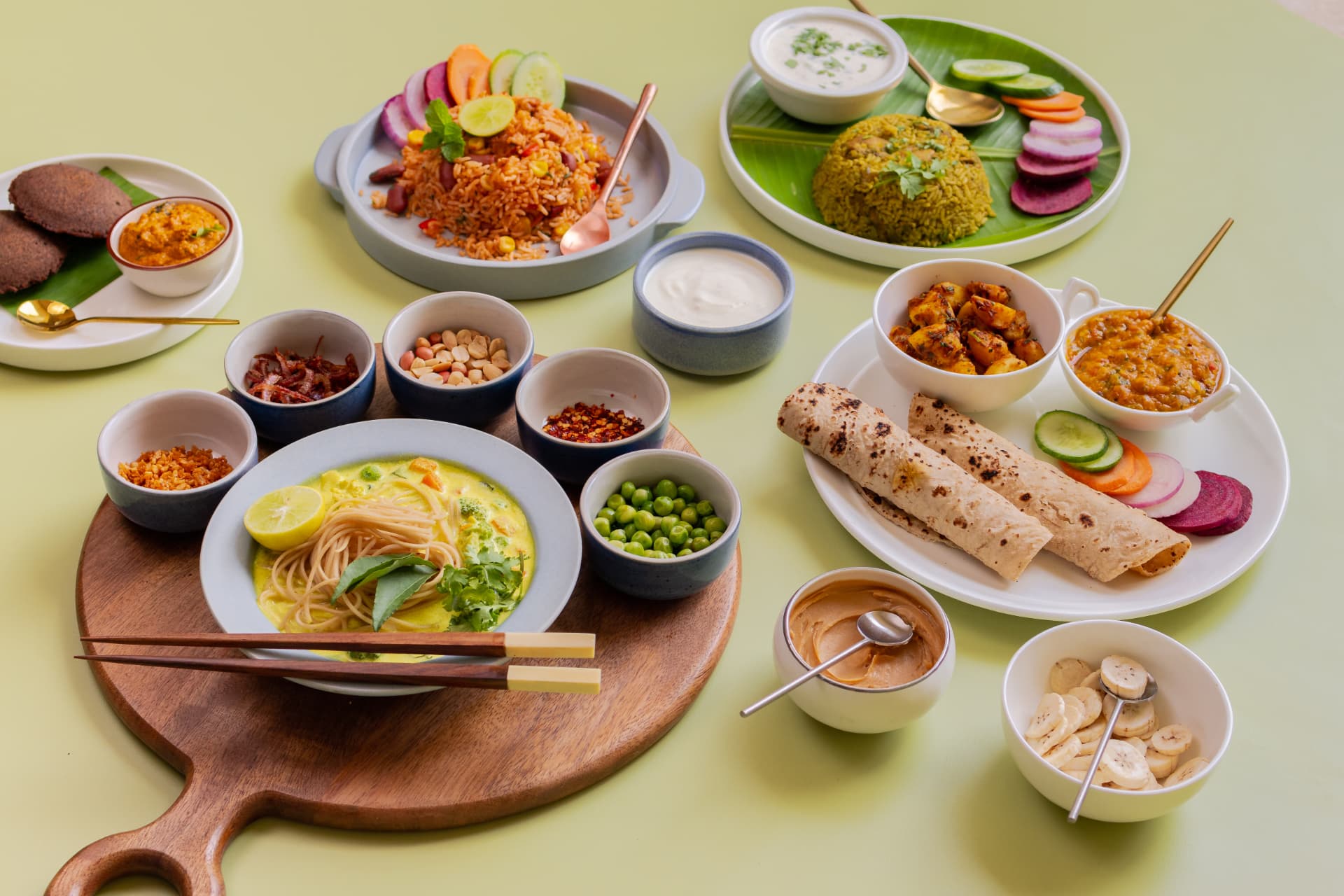
Mama Health Co. prepares and delivers meals in Bangalore. Our Keto, Protein+, Balanced Plates and Fresh+ options can help with meal logistics, but choosing one does not create a PCOS treatment plan.
If you have professional dietary guidance, discuss the menu and ingredients with the team to see whether the service fits it. The starting point is appropriate care and a workable food routine, not a cure promise.
Further reading
Explore our meal plans: Choose your meals
This article provides general information and is not a diagnosis, treatment recommendation or substitute for personalised medical advice.